Leave more air around the idea.
Fewer layers, restrained percussion and closer vocal focus can make the same musical idea feel personal and direct.
Arrangement decides how the musical ideas enter, leave, develop, contrast and return. It turns instruments, vocals, hooks and textures into a journey with structure, movement and purpose.

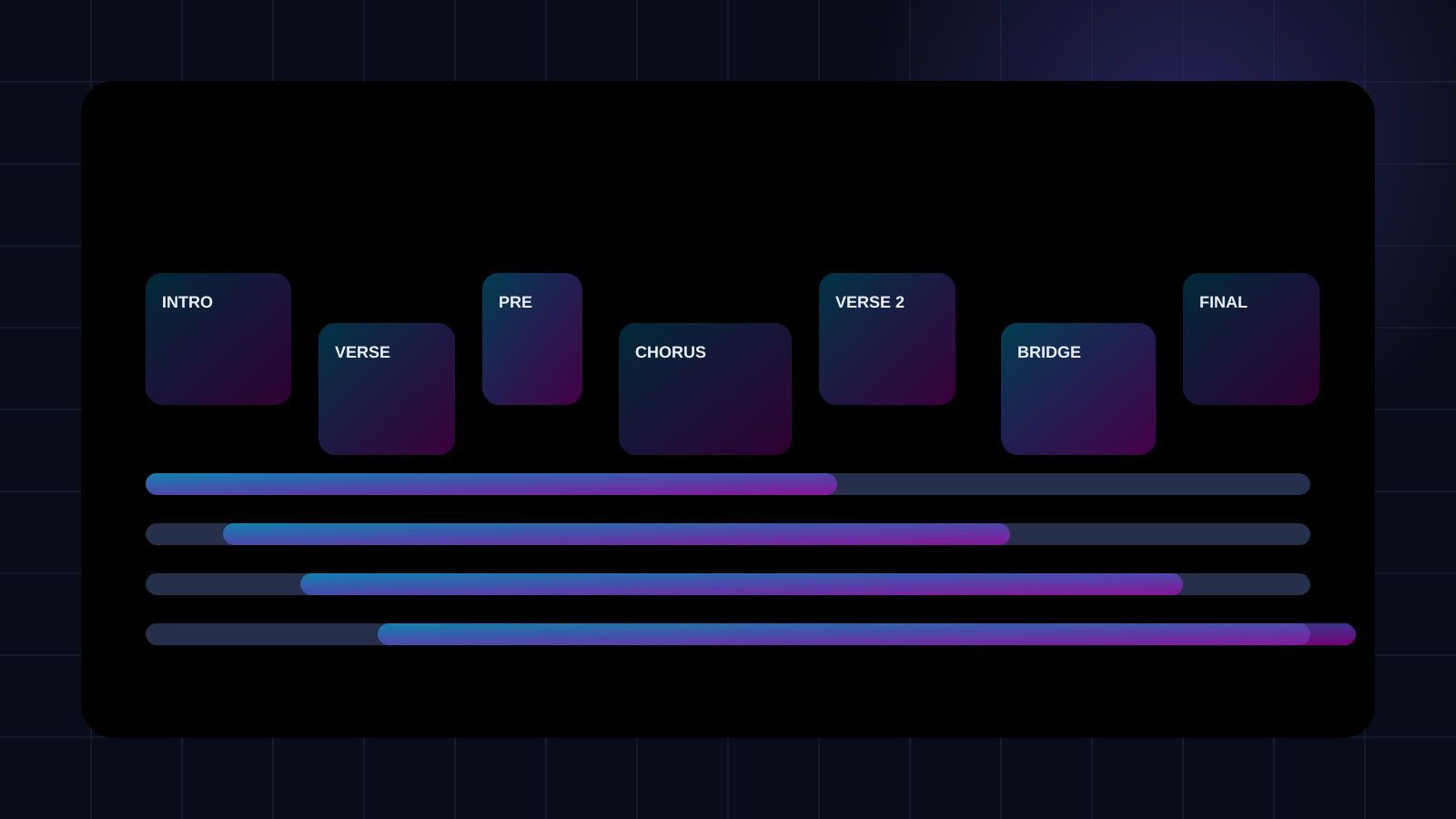
Arrangement gives each section a purpose. The same instruments do not need to play with the same intensity from beginning to end. Layers can enter, disappear, answer one another and return in stronger forms as the track develops.


Set the world of the track and introduce just enough information to create anticipation.
Tension and release help listeners feel where the music is going. Density, register, rhythm, dynamics, harmony and silence can all change the perceived energy without changing the core musical identity.


Create room and curiosity.
Arrangement changes character without requiring a completely different melody or lyric. Compare two directions built around the same core idea: one leaves more space, while the other develops toward a larger final impact.


Fewer layers, restrained percussion and closer vocal focus can make the same musical idea feel personal and direct.
Larger drums, broader harmonies, support layers and a stronger final chorus can make the same idea feel expansive and communal.
More layers do not automatically create a stronger production. A useful arrangement decides what provides the foundation, what carries the message, what supports it and what creates movement between moments.

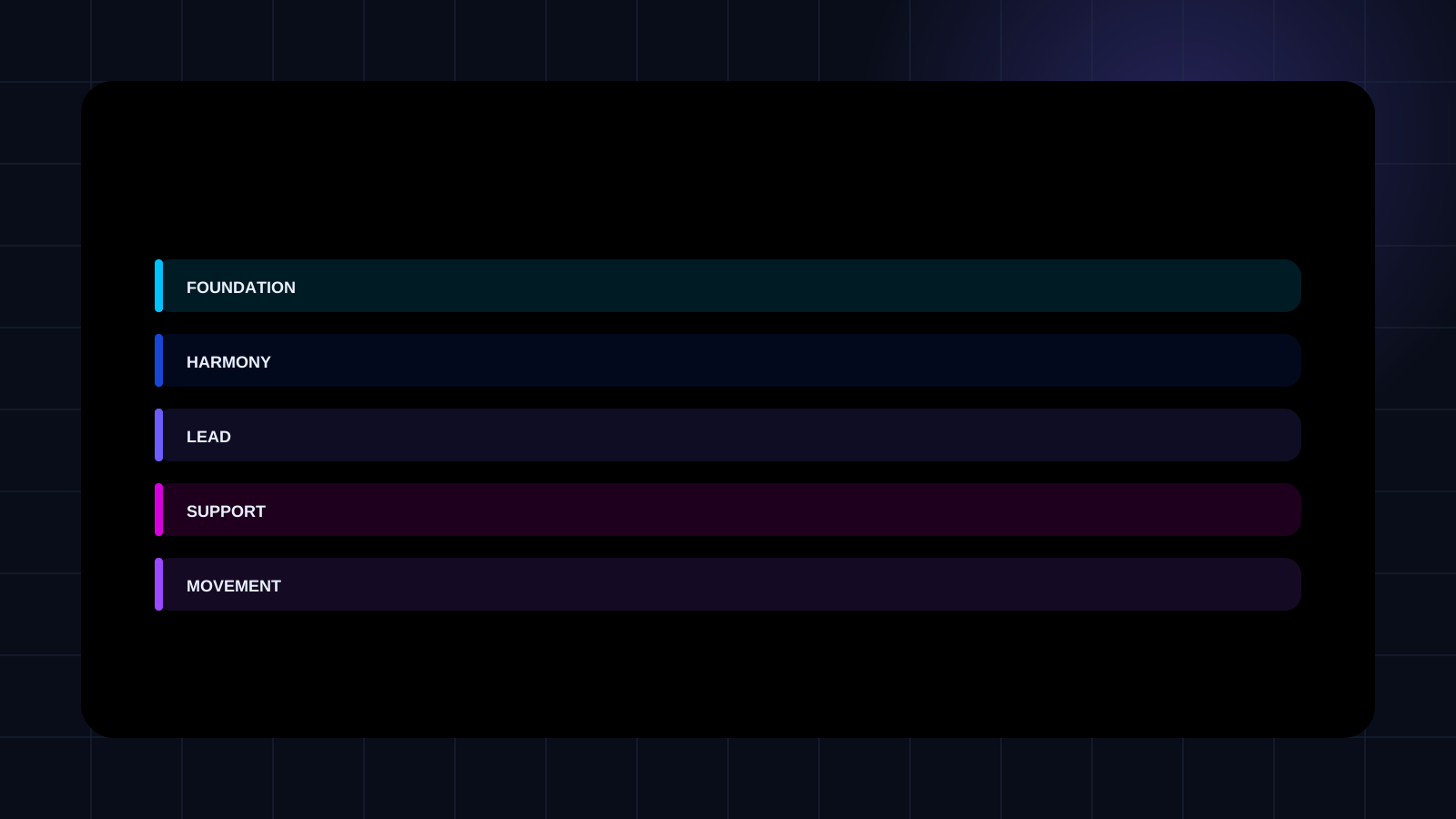
Drums, percussion and bass establish pulse, weight and forward motion.
Piano, guitars, synths and pads create the chordal space around the melody.
The lead vocal, melody instrument or main hook needs enough space to remain the focus.
Backing vocals, counter-melodies and textures reinforce key moments and widen the arrangement.
Fills, risers, transitions and effects help the arrangement breathe and move between sections.
The two disciplines overlap constantly in real studio work, but separating the ideas makes the process easier to understand. Arrangement asks what each musical part should do and when. Production develops how those choices are performed, edited and heard.
Arrangement defines section purpose, musical roles, entrances, exits, density, contrast, tension and development.
Production develops the performances, timbres, edits, textures, effects and detailed execution of the arrangement.
In real studio work arrangement and production often overlap. The distinction helps explain whether we are deciding what the music should do or shaping how it actually sounds.
Arrangement sits between creative direction and detailed production. It converts the brief into musical structure, then gives production, mixing and mastering a coherent piece of music to develop and finish.

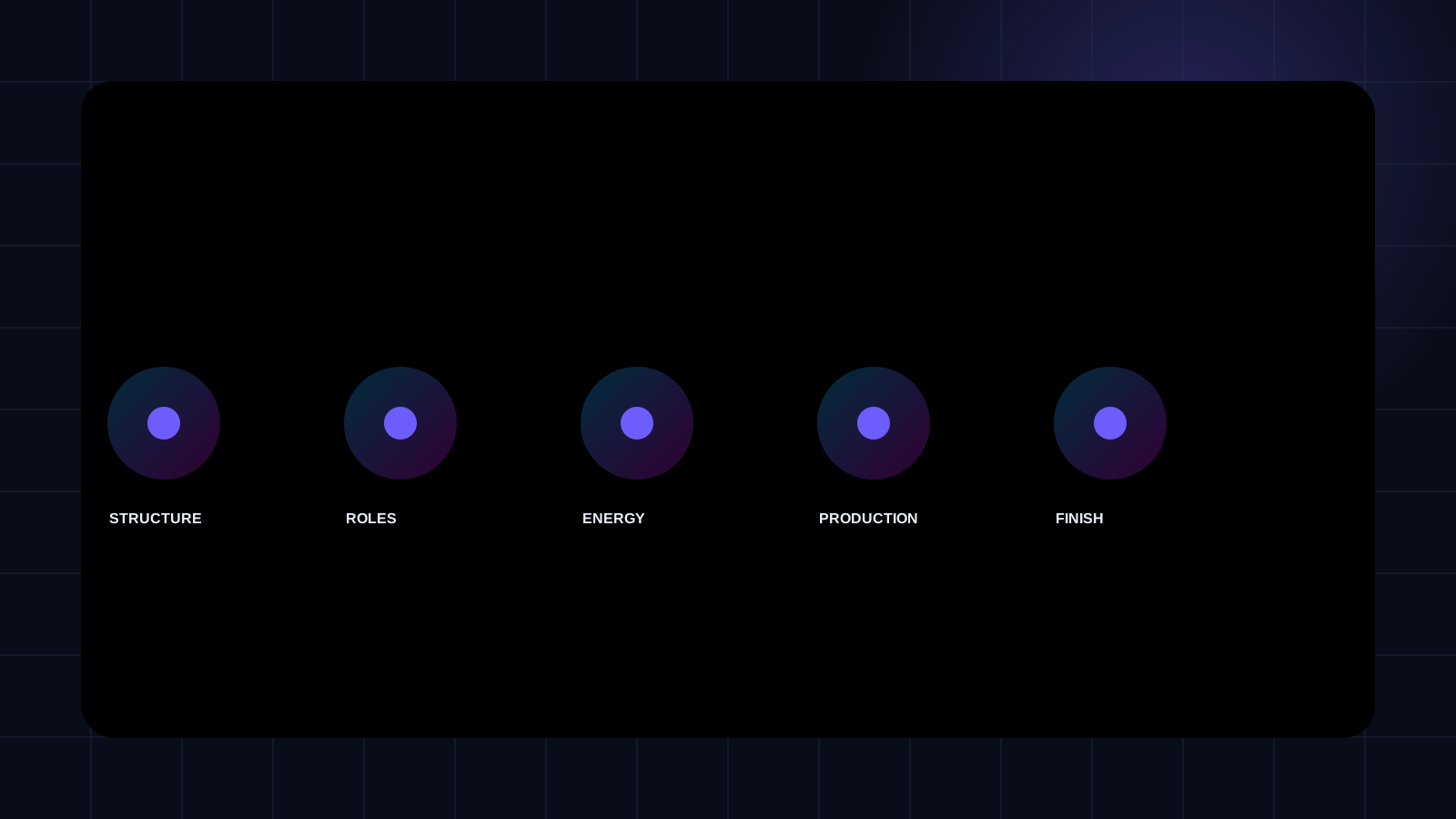
Define the sections and the purpose of each part of the song.
Assign musical roles so every layer has a reason to exist.
Shape density, contrast, tension and release across the full timeline.
Turn the arrangement plan into performances, sound choices, edits and musical detail.
Balance and finish the completed production for the final delivery.
Start with your genre, mood, Style Direction, instruments and project goals in Hybrid Studio. SoniqBrand turns those choices into a managed production where arrangement supports the message, the hook and the final listening experience.
We use cookies to keep SoniqBrand secure, remember your preferences and—when you allow it—measure performance and marketing. Privacy policy
Choose which optional cookies you allow. Necessary cookies are always active because the website cannot work securely without them.