01
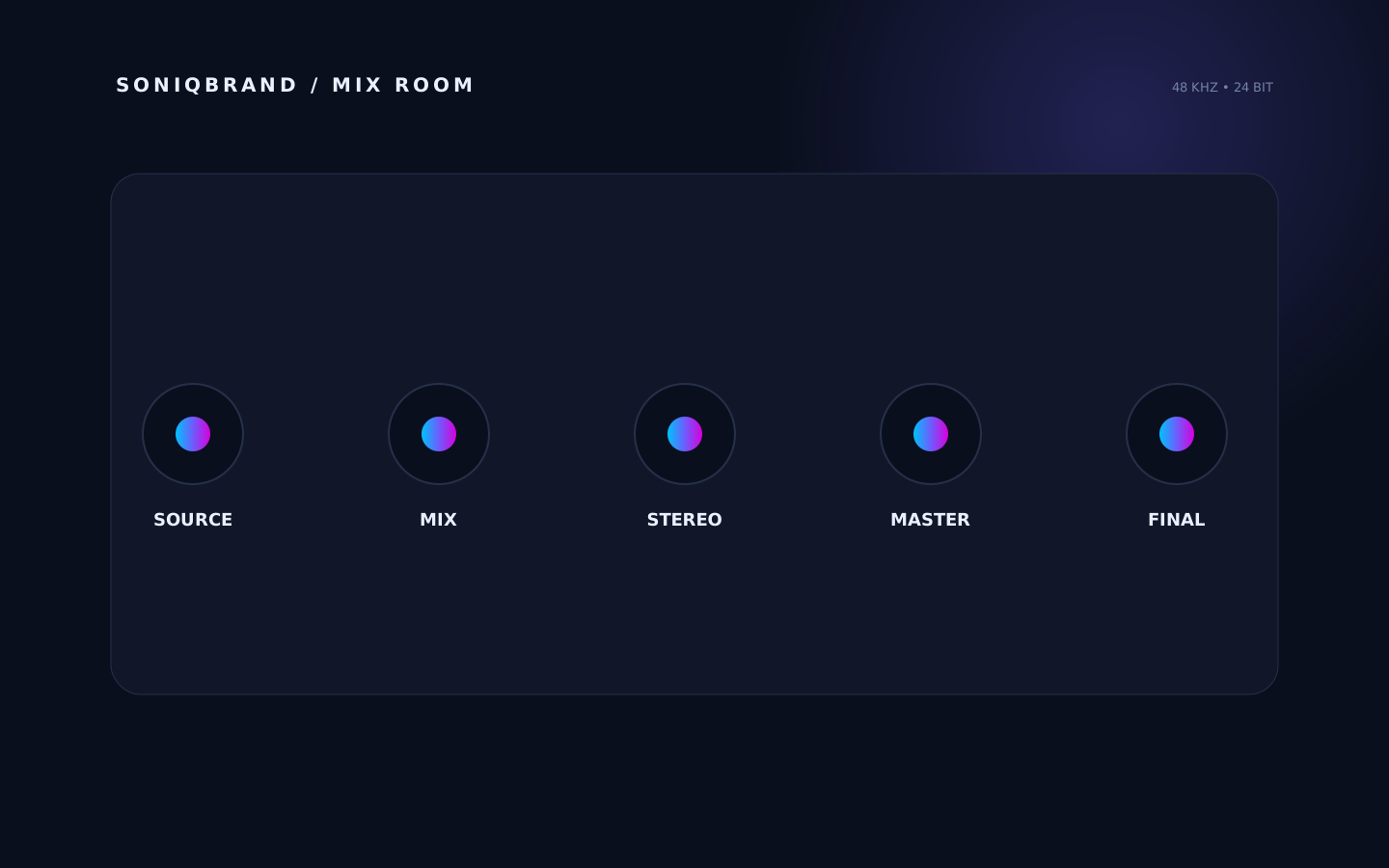
SOURCE
Produced elements
Vocals, drums, bass, instruments and effects arrive as musical parts that need to work together.
Mixing shapes how every vocal, drum, bass line, instrument and effect works together. Mastering takes the completed stereo mix and prepares the final master for polished, consistent delivery.


Mixing and mastering solve different problems. The mix creates the musical relationship between individual elements. Mastering works after that relationship is established and prepares the completed stereo mix as the final record.

Vocals, drums, bass, instruments and effects arrive as musical parts that need to work together.
Balance, tone, dynamics, space, automation and stereo placement shape the relationship between the elements.
The approved mix becomes one coherent stereo presentation with the musical decisions already in place.
The finished mix receives final tonal, dynamic and delivery preparation without replacing the mix decisions.
A quality-controlled master is prepared for consistent delivery and the project deliverables.
Set musical priorities so important elements lead without masking the rest of the production.
Position elements across the stereo field to create separation, width and focus.
Control frequency relationships so instruments and vocals occupy useful space together.
Manage movement, punch and consistency while preserving the intended musical energy.
Build foreground, mid-ground and ambience so the record feels dimensional rather than crowded.
Create space around key performances while keeping the arrangement connected.
Move levels, effects and focus through the song so the mix follows the arrangement.
Use effects as musical decisions that support momentum, impact and section changes.
Balance bass and kick energy so the foundation stays powerful without overwhelming the mix.
Judge the whole record as a performance, not as a collection of individually impressive sounds.
Make small broad adjustments so the completed mix reads naturally as one record.
Control macro-dynamics carefully while respecting punch, movement and genre expectations.
Check width and center stability without trying to rebuild the stereo image created in the mix.
Manage peaks and headroom for a controlled final master.
Prepare competitive, appropriate level while protecting clarity and musical dynamics.
Evaluate whether the tonal and dynamic balance remains convincing across different listening contexts.
Catch clicks, unexpected level issues, tails, edits or export problems before delivery.
Create the approved final master and required formats for the project delivery package.
The strongest mix is not the one where every track sounds huge by itself. It is the one where the elements support each other, the important moments stay clear, and the production moves naturally with the arrangement.


A mix is the relationship between channels, not a collection of soloed sounds.
The most useful way to understand mixing and mastering is to hear the same production at different stages. This listening station is ready for real SoniqBrand comparison audio whenever those examples are uploaded.


Technical processing matters because of what it does to the listening experience. Explore six practical ideas that help a finished production feel clearer, more dimensional, more controlled and more consistent.


A professional mix establishes what should lead, what should support and how those priorities change through the arrangement.
Mixing works with the individual musical elements. Mastering works primarily with the completed stereo mix after the mix decisions are already in place.
Mixing shapes the relationship between vocals, drums, bass, instruments and effects before they become the finished stereo mix.
Mastering makes final broad adjustments, manages delivery level and performs quality control after the mix decisions are already complete.
Important: Mastering cannot replace a poor mix. The strongest final result comes from solving production and mix problems before the mastering stage.
Quality control is not just watching meters. Critical listening asks whether the final master keeps the song balanced, clear and emotionally convincing as the playback context changes.
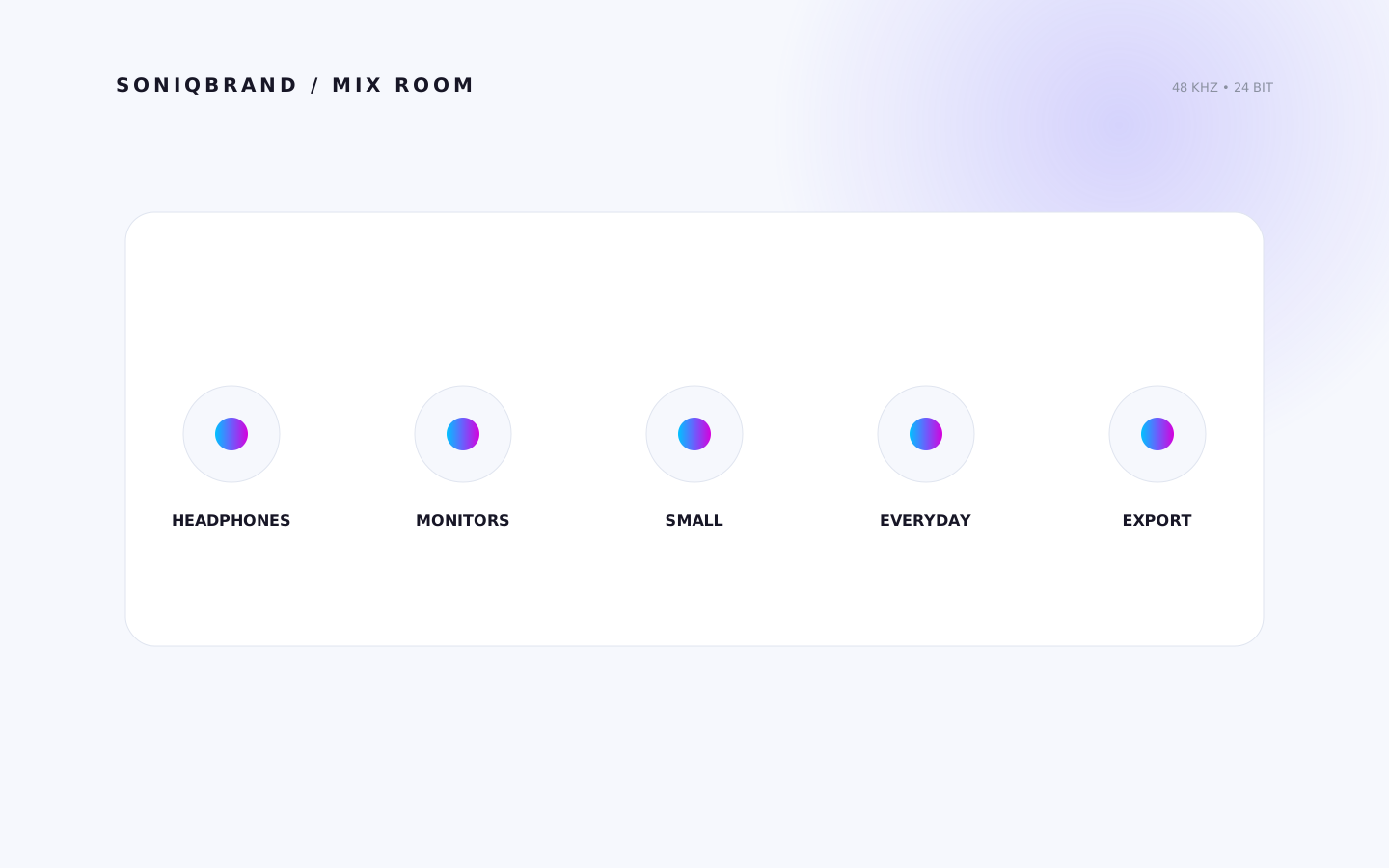

Listen closely for detail, edits, space and unwanted artifacts.
Evaluate tonal balance, imaging, depth and overall musical perspective.
Check whether vocals, hooks and the musical center remain clear on limited playback.
Confirm that the record keeps its identity in common real-world listening conditions.
Verify the approved master, file format, beginning, ending and delivery metadata before release.
SoniqBrand combines professional tools with critical listening and human judgment for musical balance, vocal presence, emotional impact, genre-appropriate dynamics, translation and final quality control.
Start with the creative direction in Hybrid Studio. Mixing, mastering and quality review sit inside the managed production process so the final result is shaped as one complete piece of music.